Biochemistry and Chemical Biology
eLife reviews research that gives new insights into biological molecules or uses chemical approaches to illuminate complex biological processes. Learn more about what we review and sign up for the latest research.
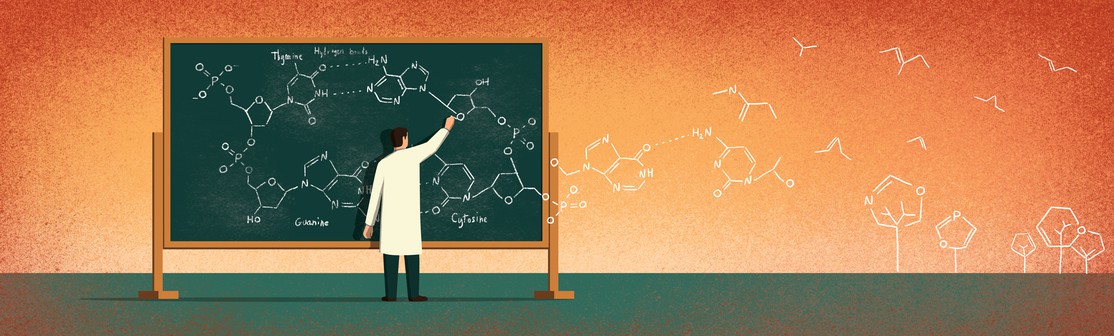
Illustration by Davide Bonazzi
Highlights


Senior editors
-
 Amy H AndreottiIowa State University, United States
 -
 Volker DötschGoethe University, Germany
 -
 Pankaj KapahiBuck Institute for Research on Aging, United States
 - See more editors